
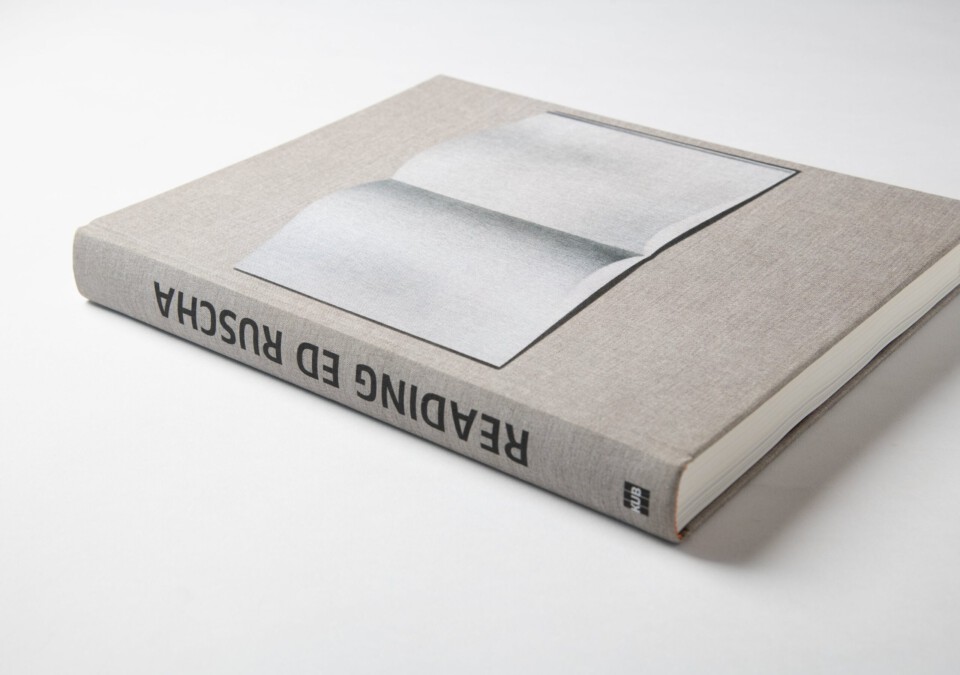
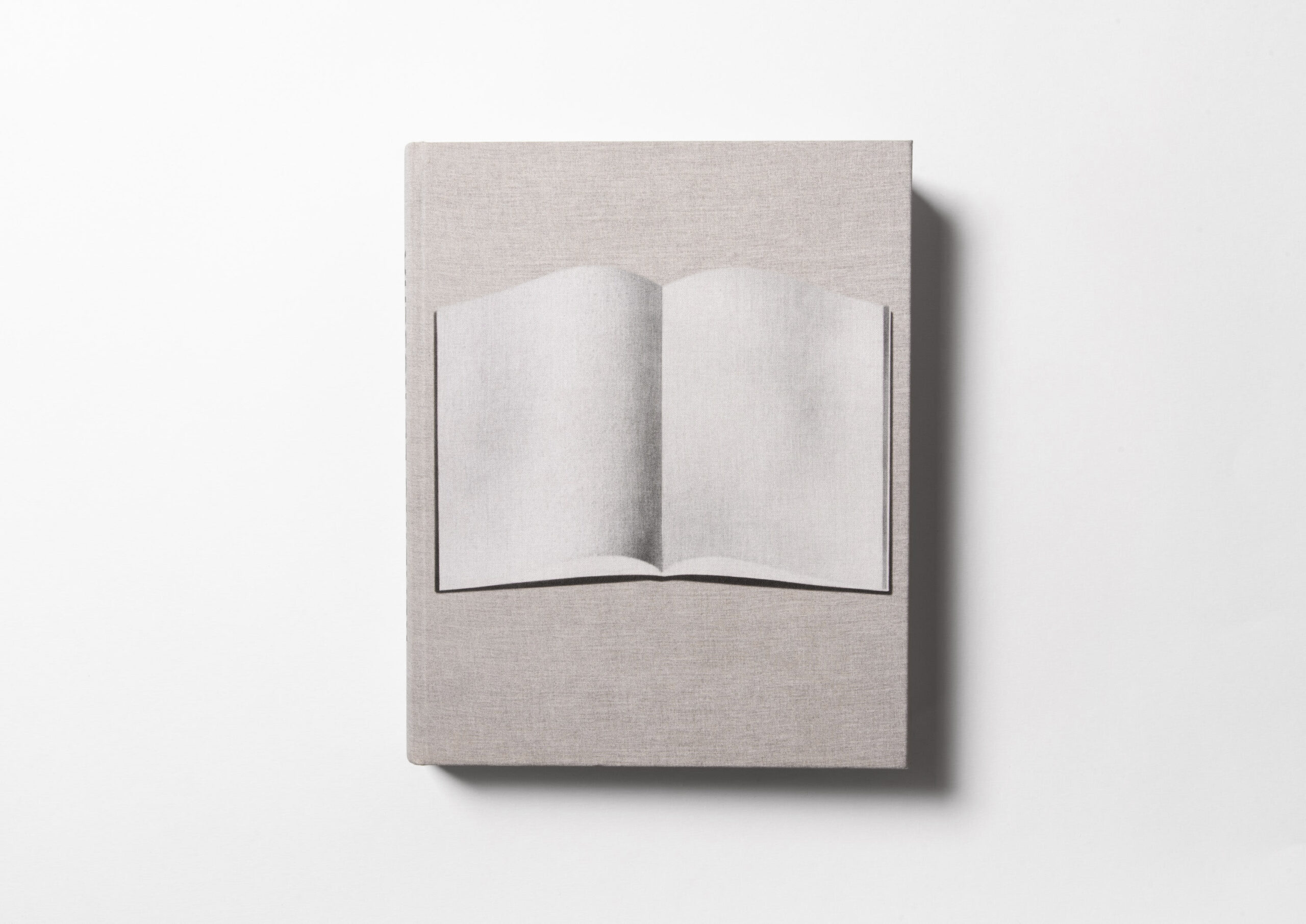
How can the complexity of an artist for whom the book itself is the primary medium be translated into a lasting editorial structure? For Kunsthaus Bregenz, we conceived a monograph as a sequential space, elevating the book from a mere document to an exhibit in its own right.
The Concept: Semantic Tension
The Dramaturgy of Turning the Page
Book design means creating spatial tension where the physical act of turning a page resembles an architectural walkthrough. Just as architecture guides the body through spaces, the design structures the rhythm of perception: through targeted caesuras and condensations, the viewing experience can be slowed down or accelerated. A sequence of moods emerges, inviting the reader to linger at times and urging them toward movement at others. Successful design draws power from the content—through precise image combinations and deliberate negative space that structure time and space, giving the viewer room for their own thoughts.
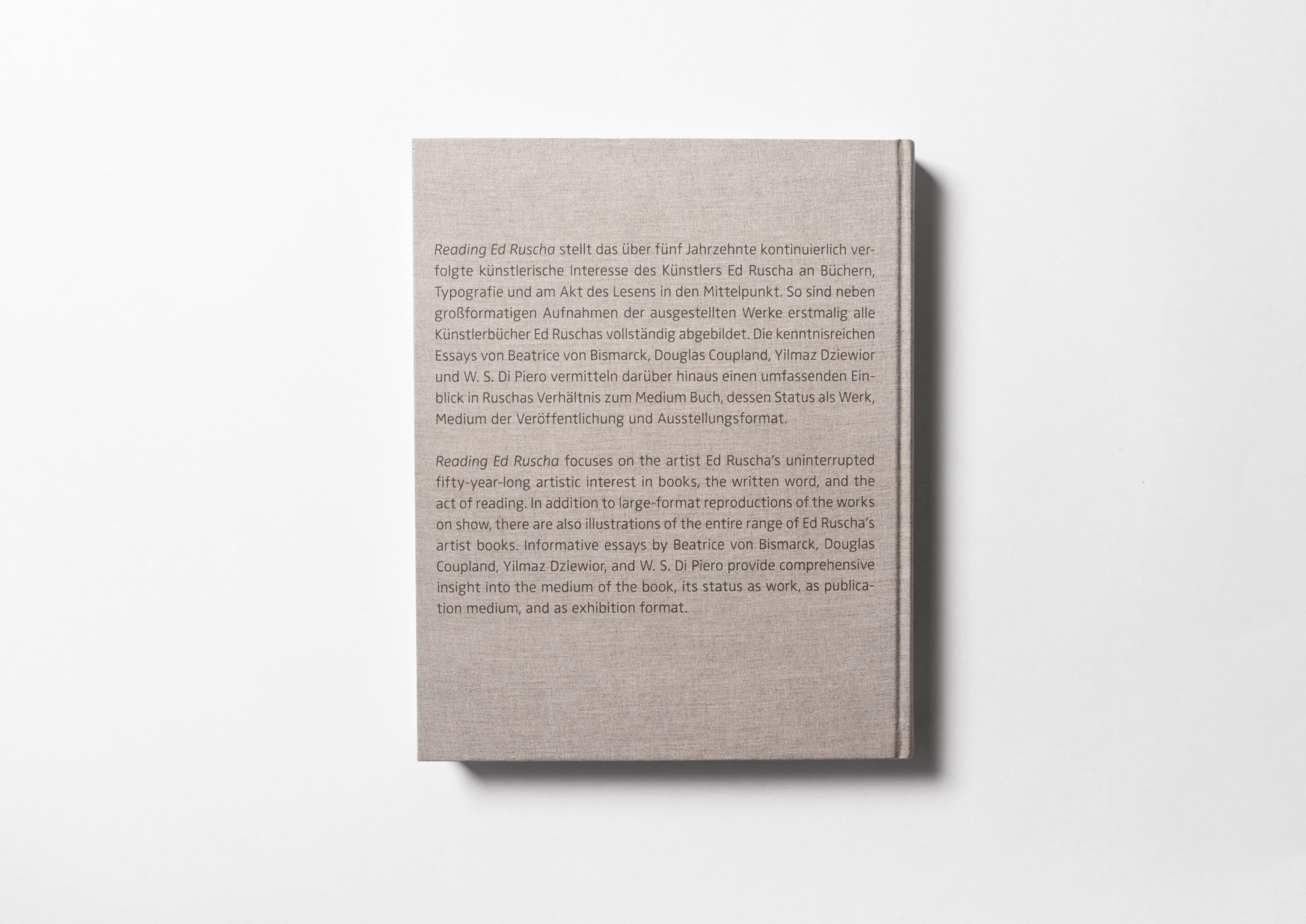
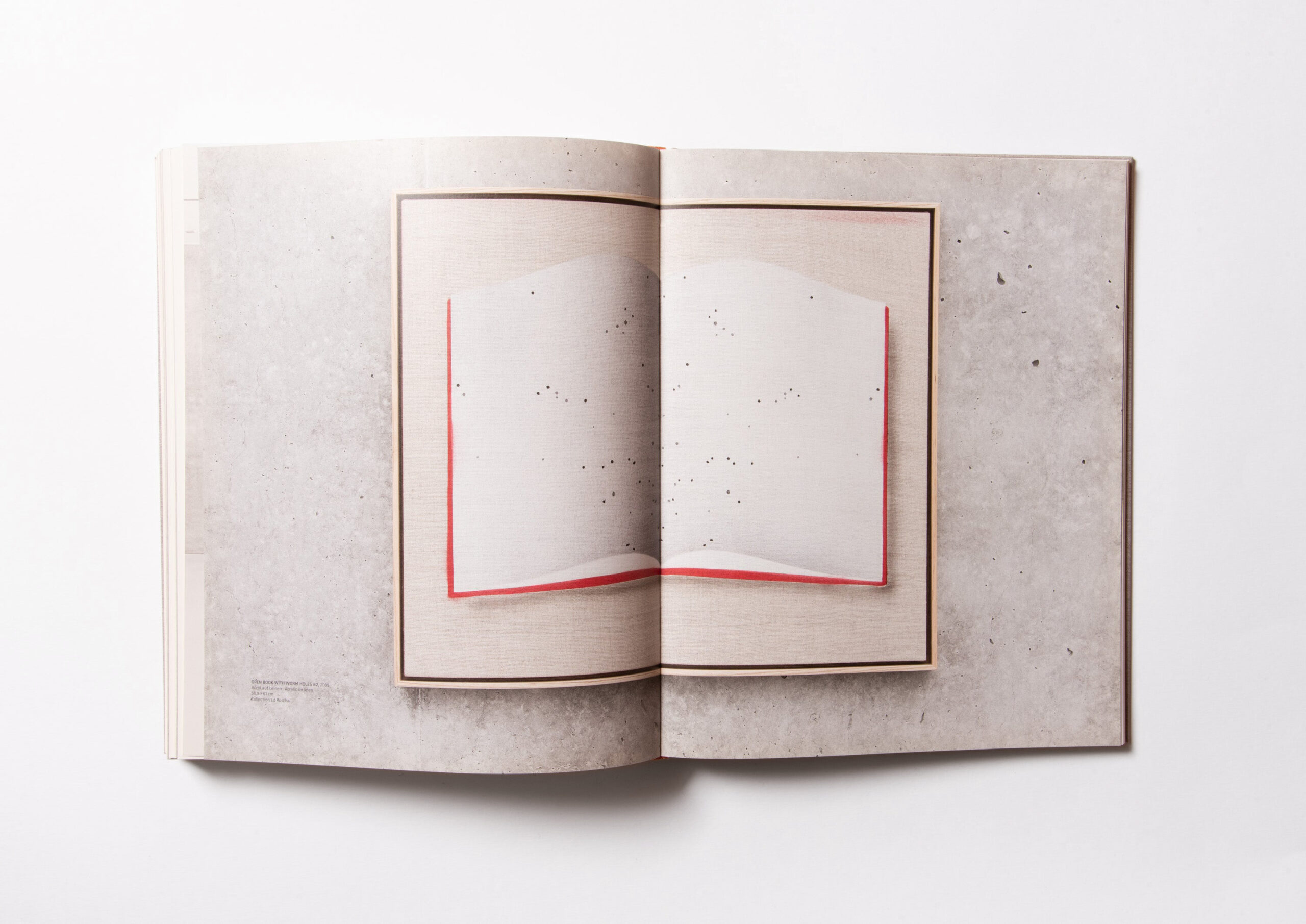
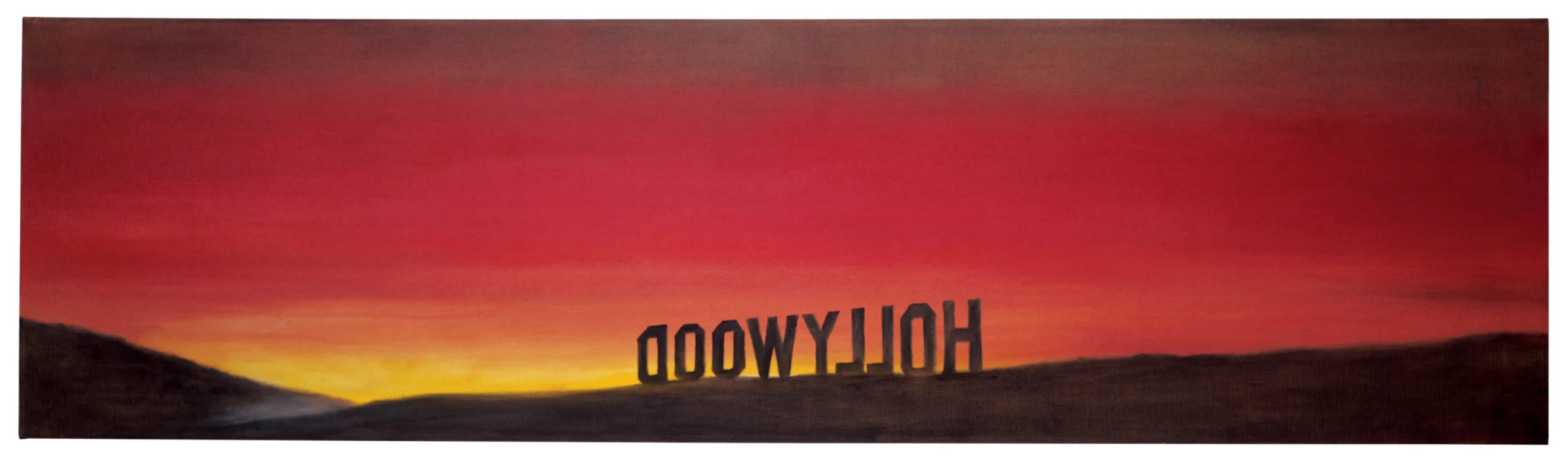
Ed Ruscha, THE BACK OF HOLLYWOOD, 1977, Öl auf Leinwand, Collection Musée d’ Art Contemporain, Lyon
Analysis: The Walkable Book
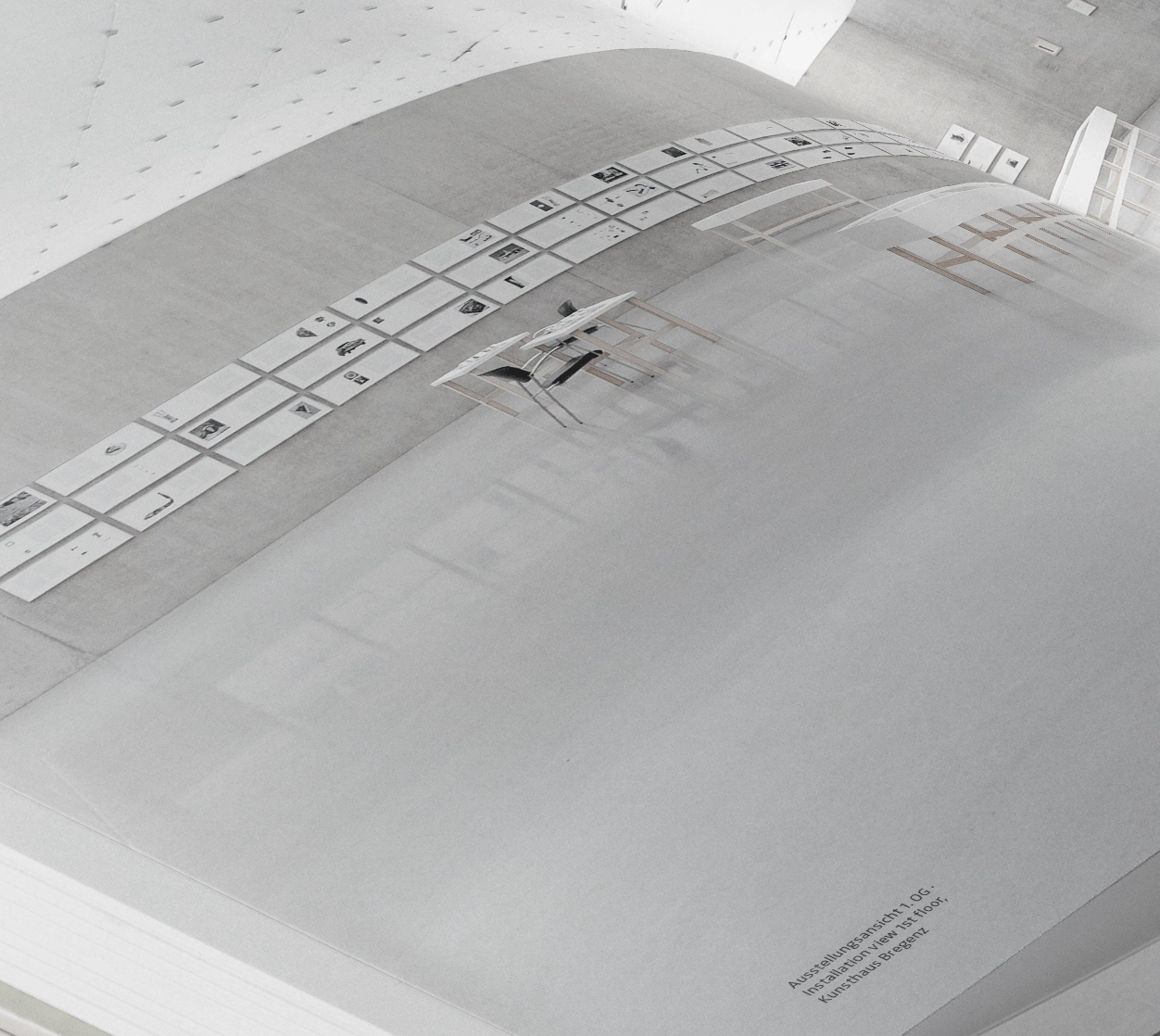
Yilmaz Dziewior analyzes Ed Ruscha’s books not merely as carriers of information, but as independent sculptures that structure time and space through their materiality. In this reading, the book becomes a three-dimensional object. He perceives the exhibition at Kunsthaus Bregenz as an architectural staging of reading, where the building itself becomes an actor. Moving through the floors becomes the experience of a “walkable book,” whose physical dramaturgy mirrors the traversal of architecture.
»Words are like patterns, and in their horizontality, they provide an answer to my investigation of the landscape.«
— Ed Ruscha
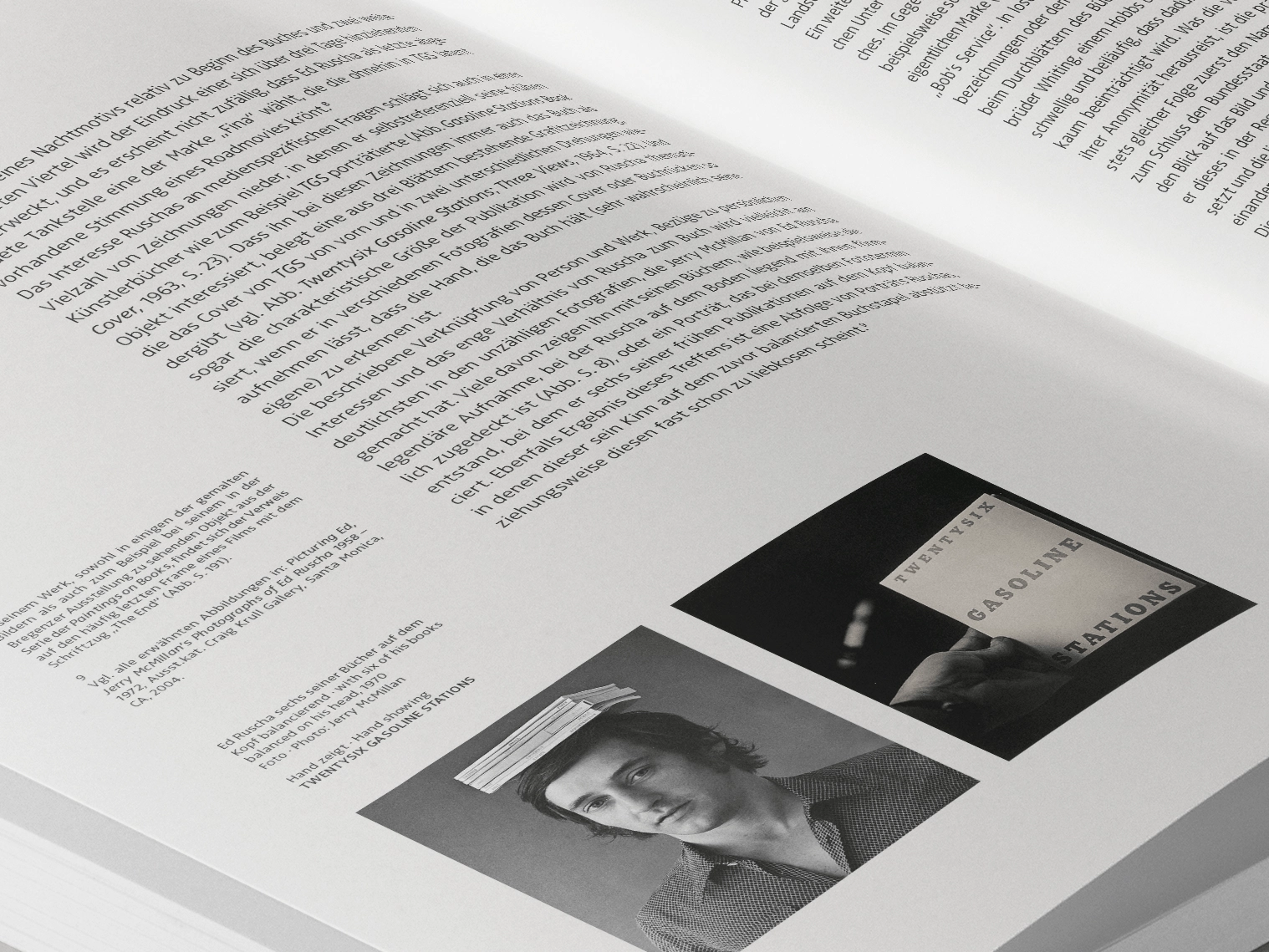
The Process: From Rough to Refined
Creating such a publication is akin to working on a stone sculpture: one works relentlessly from the rough to the refined. This process requires flawless coordination across all disciplines—from the artist and lithography to the printer. There is no room for misunderstanding, as every decision is ultimately irrevocable and remains, as if carved in stone, permanently. The typography reflects the objective rigor inherent in Ruscha’s own publications.
The Value: Immutability as an Investment
»A model for precisely ordered information and sharp visual reproductions. Ruscha treats the book as a conceptual object—a quality captured in this publication with remarkable formal rigor.«
— The New York Times, Art Review, Feb 28, 2013
Reading Ed Ruscha
Kunsthaus Bregenz, 2012
Edited by: Yilmaz Dziewior
Book Design: Stefan Gaßner, Bernd Altenried
Essays by: Beatrice von Bismarck, Douglas Coupland, Yilmaz Dziewior, and W. S. Di Piero
German / English: 256 pages, 24 x 30 cm, Hardcover
Published: August 2012
Still available on the secondary market