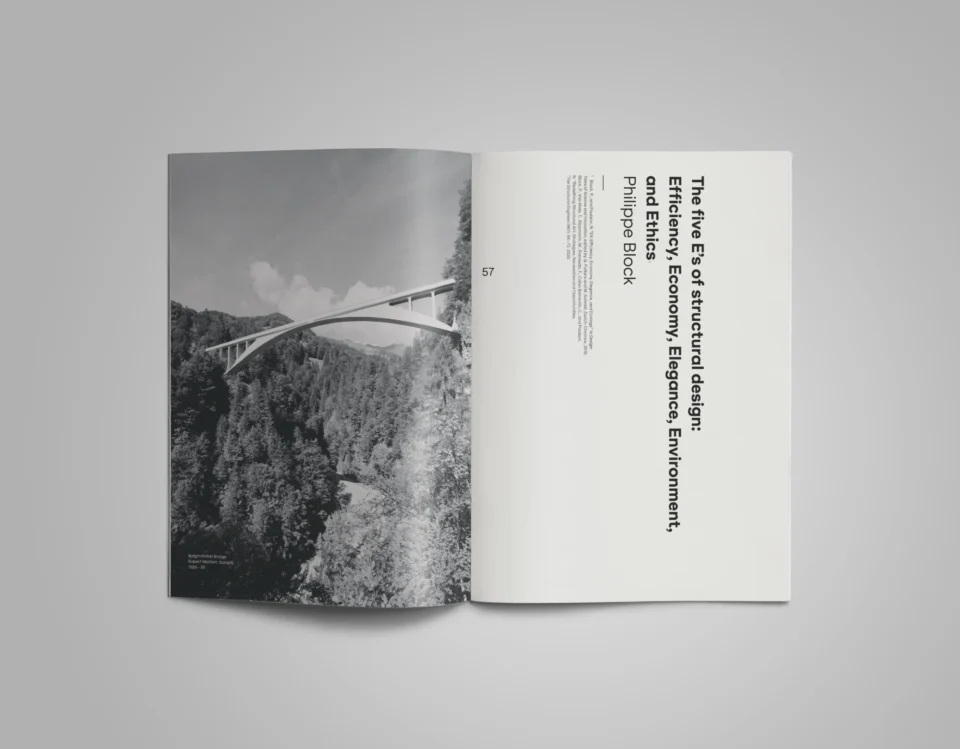
How do you make the immense complexity of 8 professorships and 40 lecturers visually tangible? For the new first-year curriculum (“Basisjahr”) at ETH Zurich’s Department of Architecture (D-ARCH), I developed a fluid identity that bridges the gap between academic rigor and creative experimentation—from a radical abstraction of the logo to a modular framework for daily application.
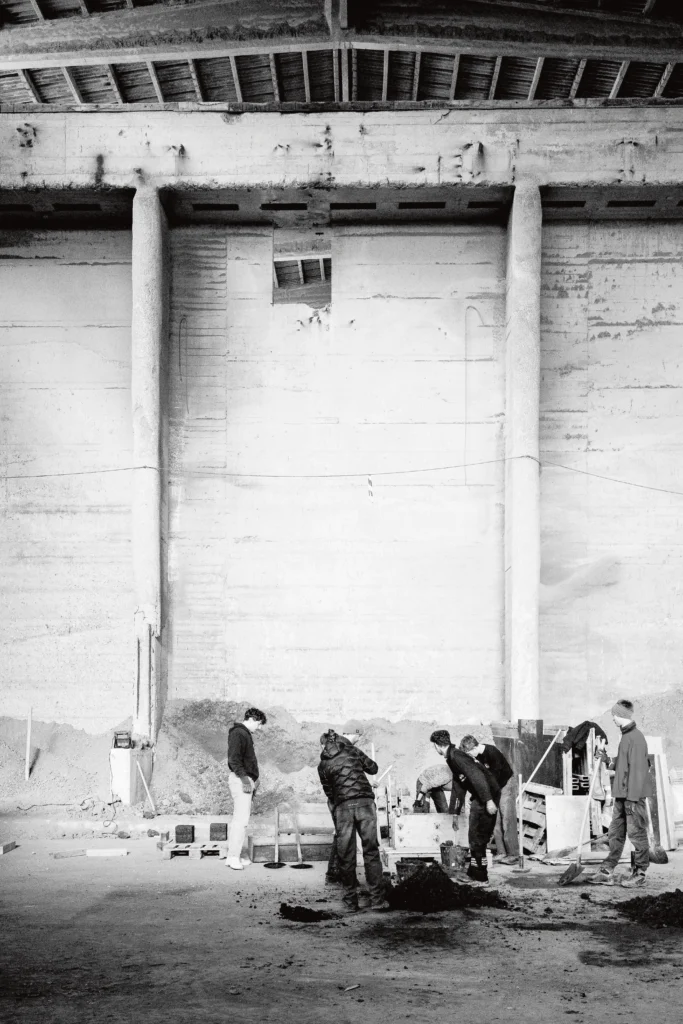
Lehmworkshop Brunnen. Studio Boltshauser, 2022
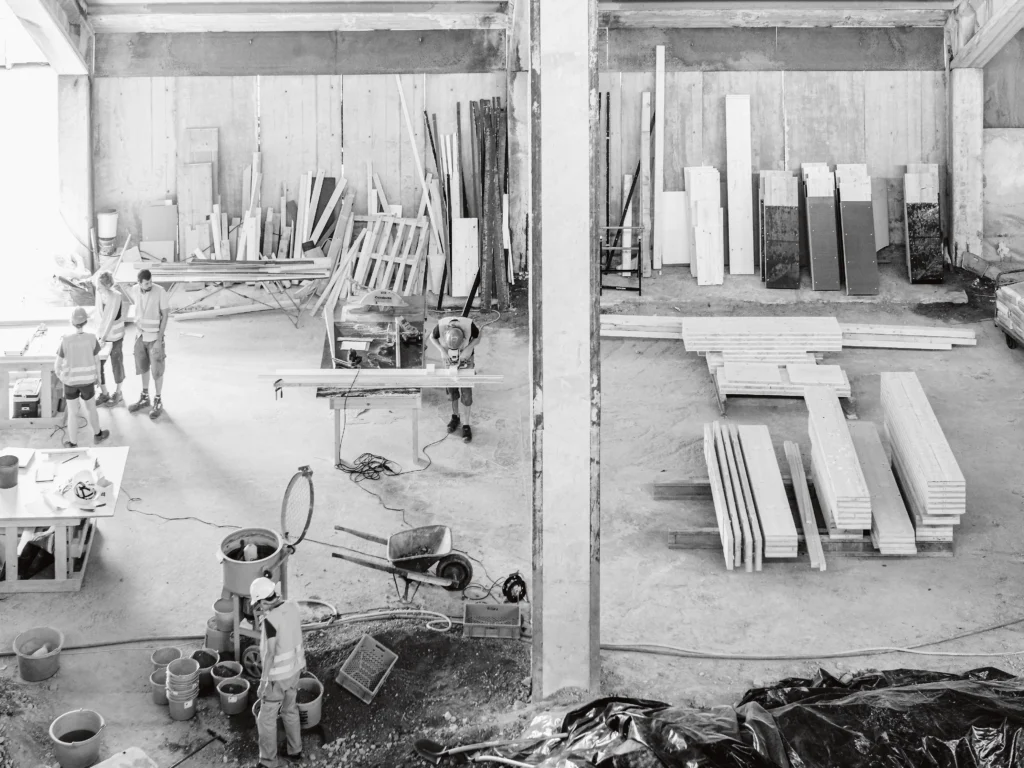
Summerschool Brunnen. Studio Boltshauser 2019, Fotografie: Philip Heckhausen
The Context:
A Search for a New Architectural Culture
»What is architecture today? What kind of architectural culture do we need to understand, rethink, and sustainably design our built and unbuilt environment?”«
Quoted from the Studio Foundations Fall 2025 Semester Reader
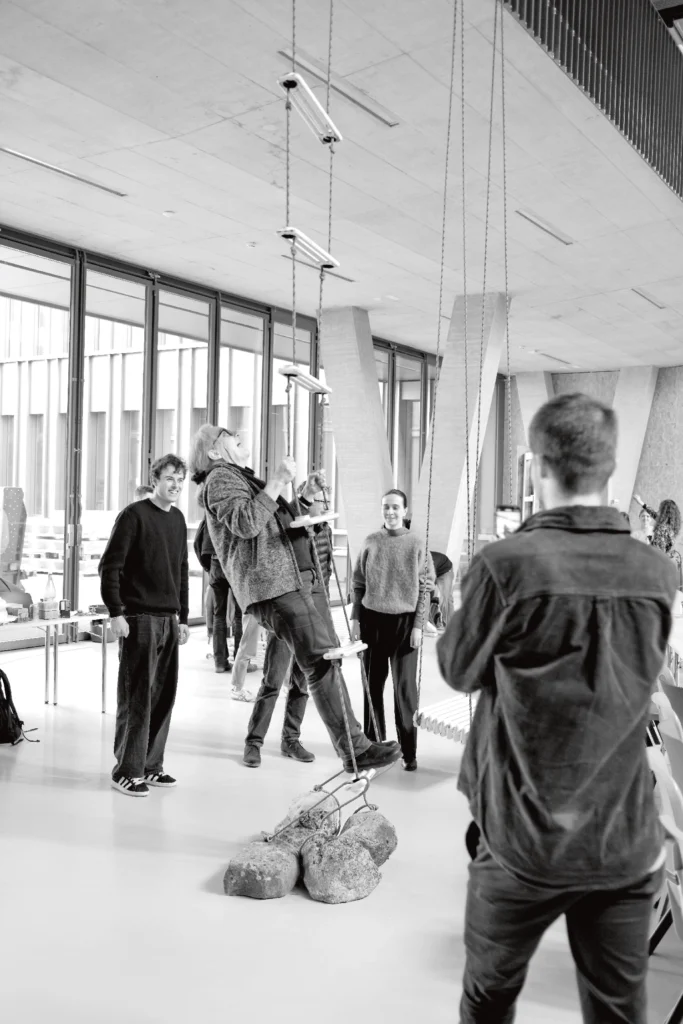
Seminarreise Ukraineworkshop. Studio Boltshauser und Swiss Network Ukraine, FS24
The Design Challenge:
Clarity within Multi-Layered Structures
»Design is a tool for thinking—a method to shape, test, and evolve ideas; a continuous process of exploring, questioning, transforming, and discarding. The path is rarely linear; instead, it is an iterative exploration of space, function, material, and context along a still-undefined idea—often more of a notion, a feeling, or an atmosphere than a concrete goal. In this process, mistakes are not only unavoidable but necessary to discover the new and to minimize arbitrariness.«
— Excerpt from the Studio Foundations HS 2025 Semester Reader.

The Concept:
Radical Reduction Meets Serial Imagery
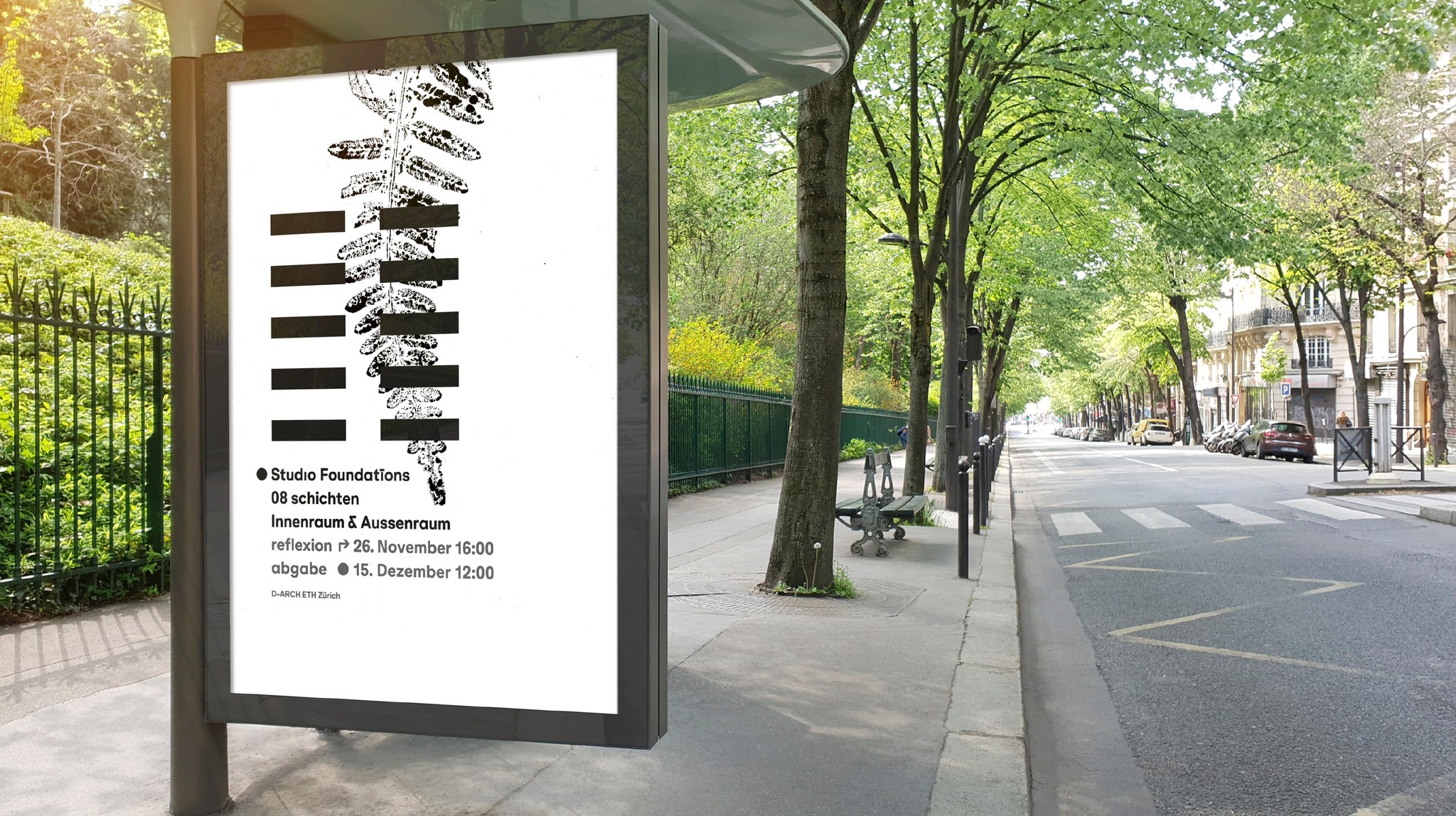
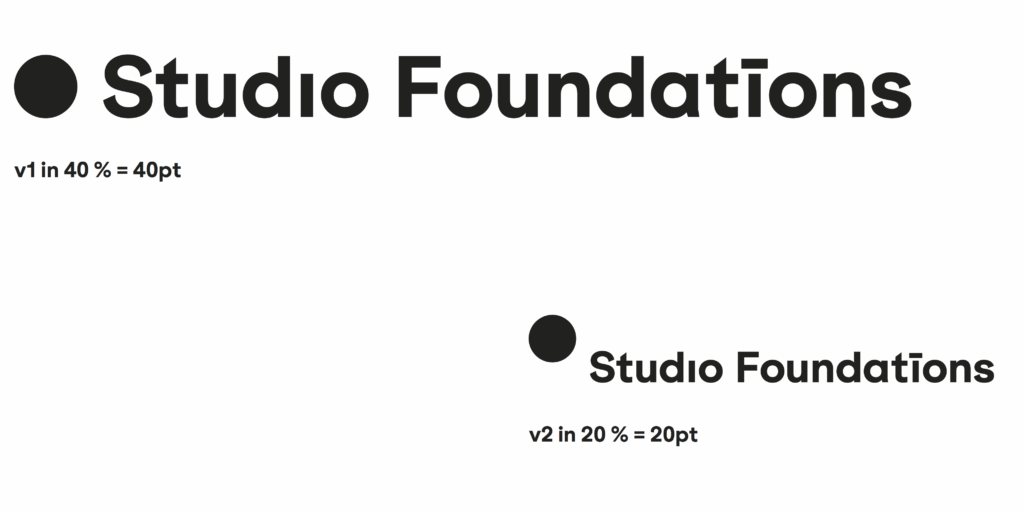
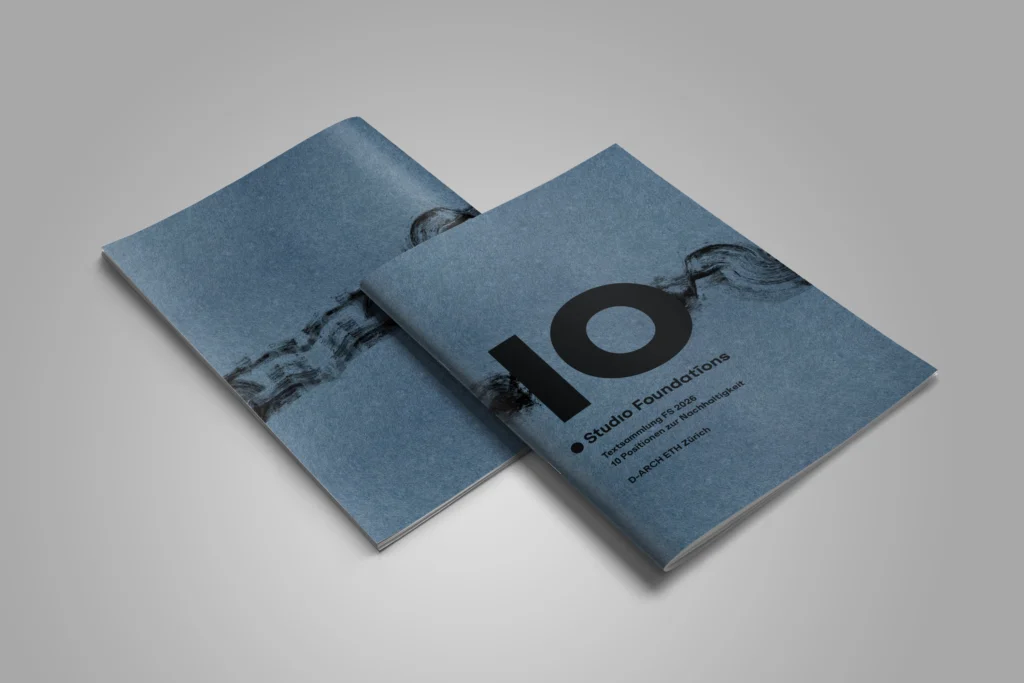
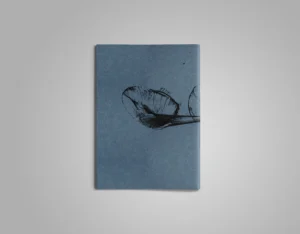
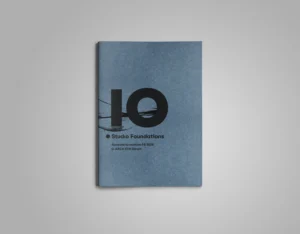
Rooted in the typeface ES Klarheit Grotesk, the logo uses the preceding dot not as a punctuation mark, but as a signal of relevance that—inspired by Paul Klee—’takes a walk’ through analog and digital media. Over 30 individual motifs accompany the students through their semesters as manually crafted, digitally refined originals, where design functions as a pedagogical tool rather than an end in itself.
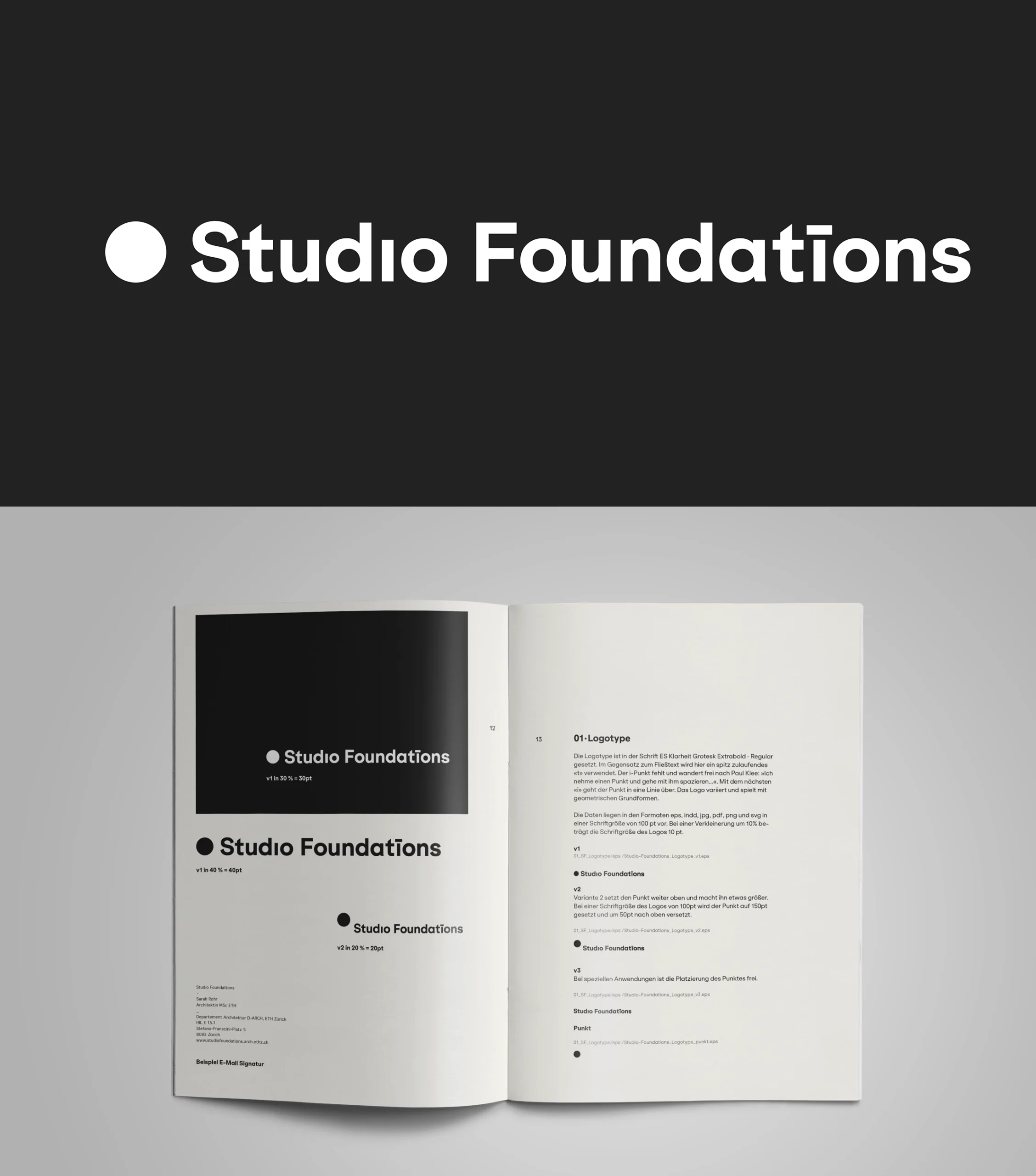
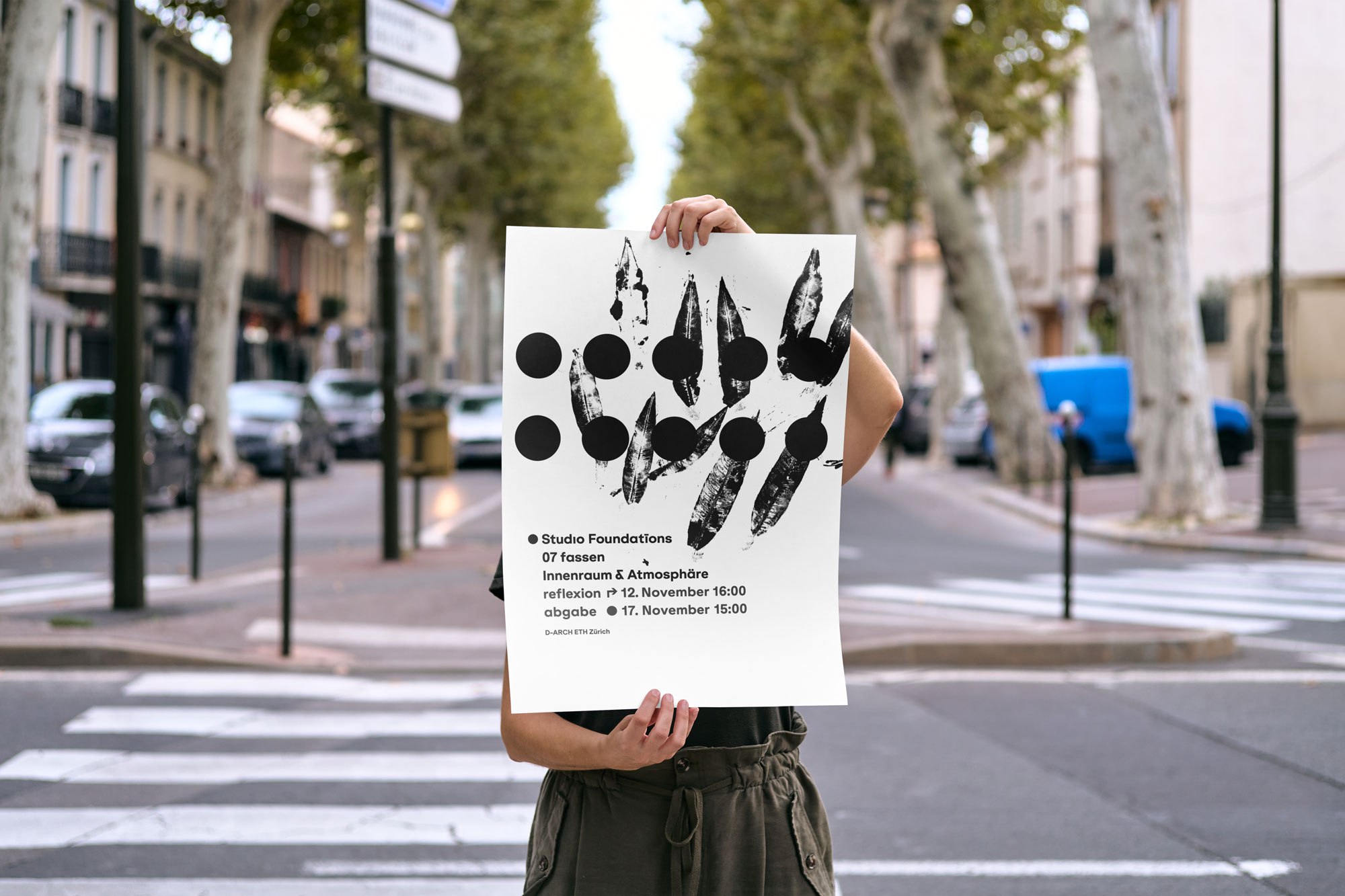
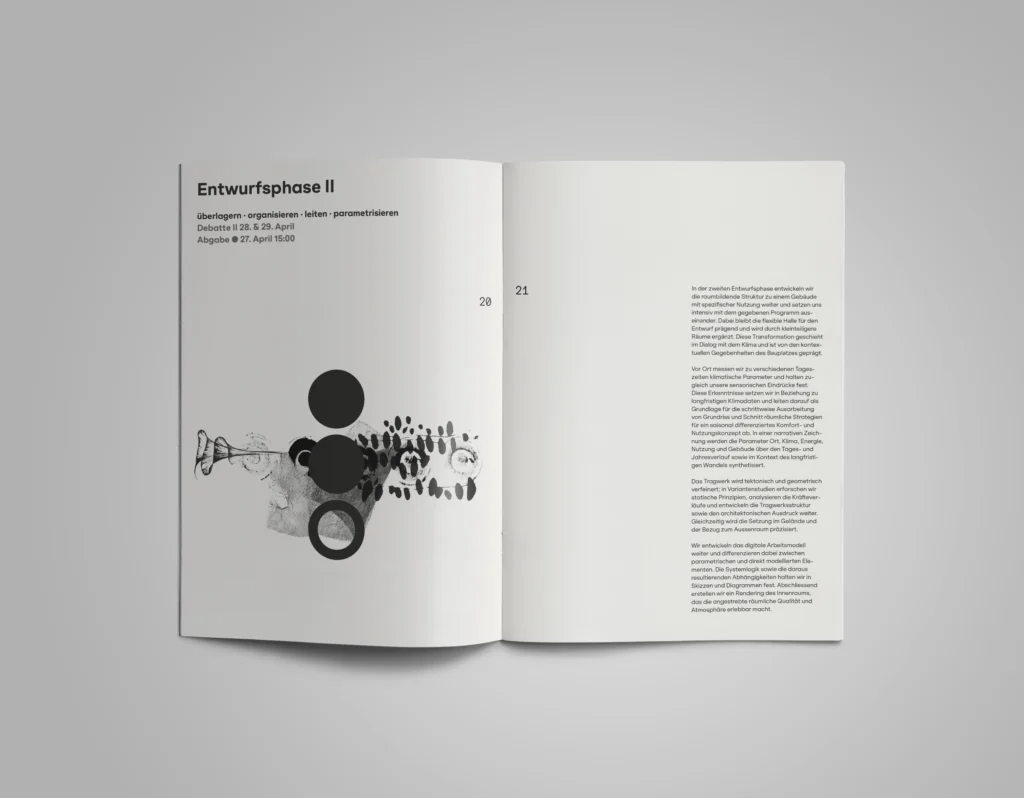
The graphics function as an active catalyst: over 30 motifs are precisely aligned with the ten core themes of the curriculum. They evolve in tandem with the syllabus—from the abstraction of primal structures (1st semester) to interventions marked by human traces in the environment (2nd semester).
Design Governance:
A Scalable Ecosystem for 8 / 40 / 400 Stakeholders
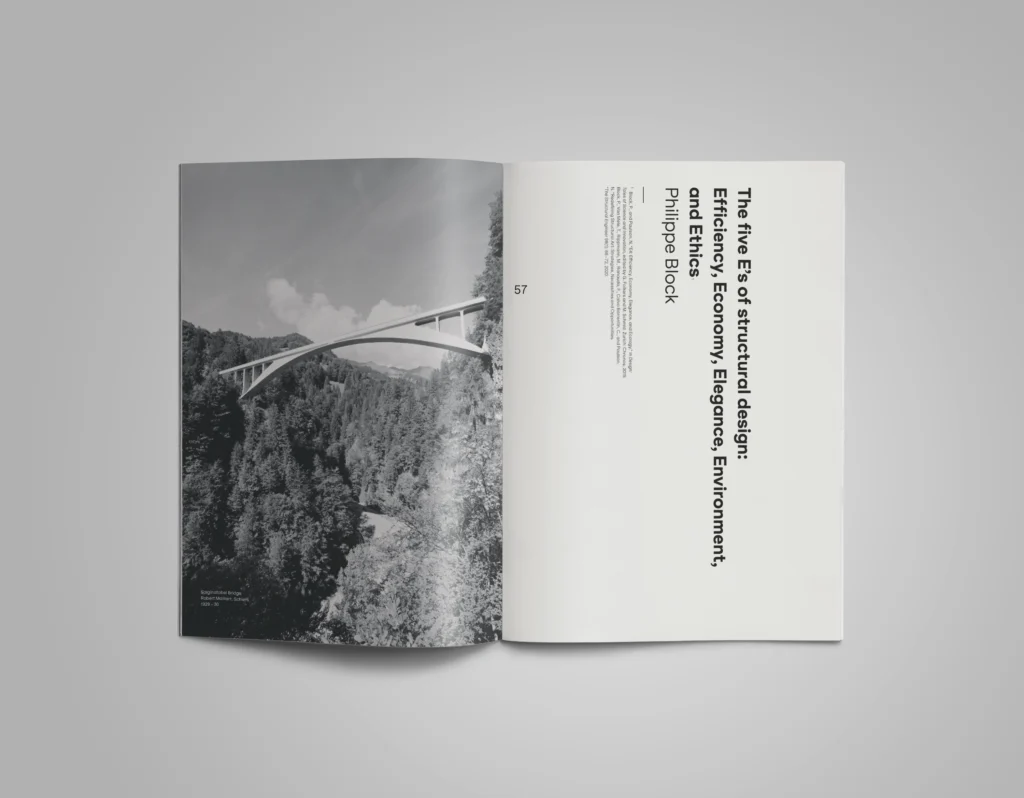
- Mathematical Logic: All hierarchies are derived consistently from the smallest building block (the body text).
- Tool-Kit: Comprehensive templates for social media, print, and digital applications ensure consistency while allowing for maximum academic freedom.
App Integration: Interface as a Coordination Tool
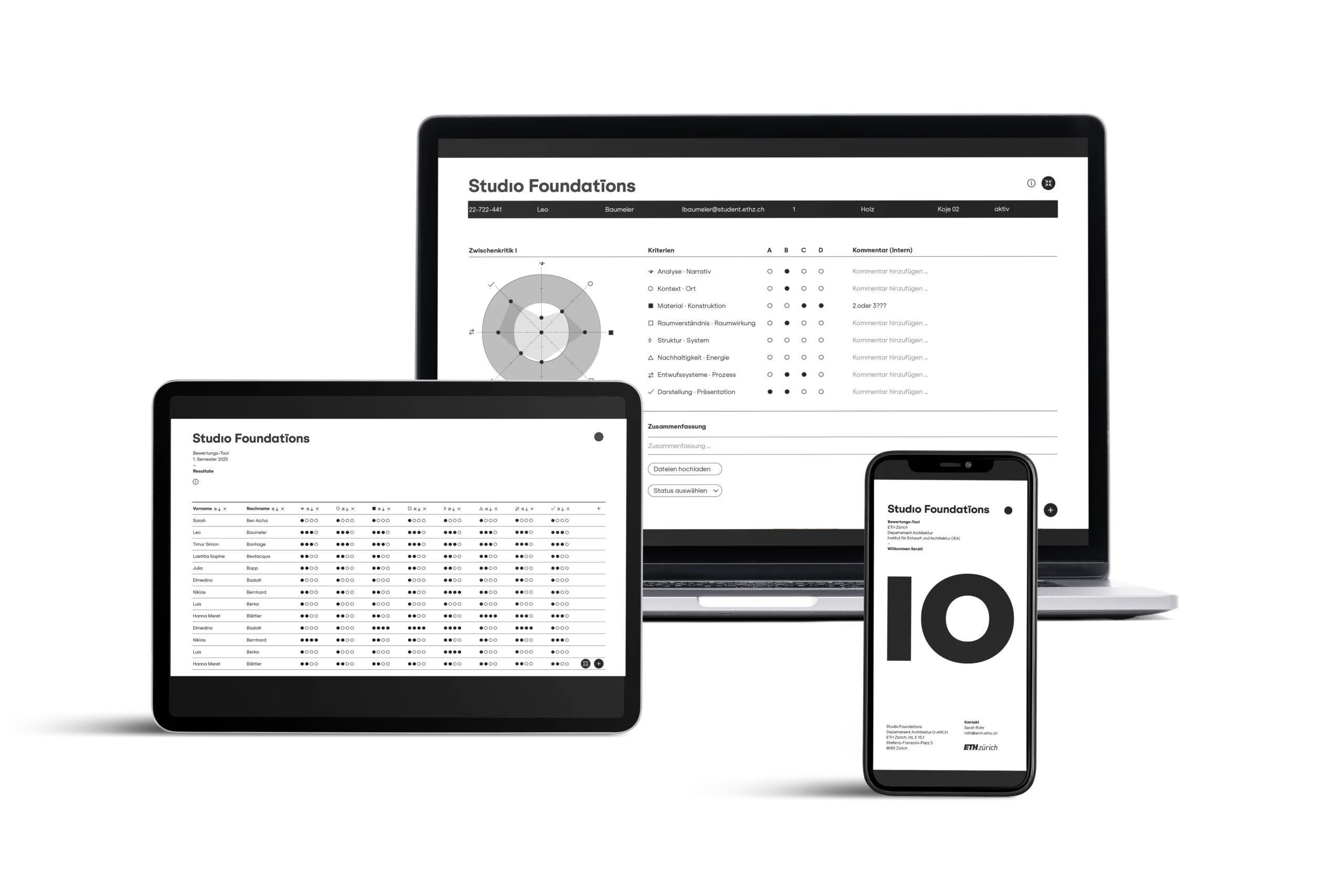
To manage the massive output and complex workflows, I played a key role in the graphic development of the studio’s proprietary web app. It coordinates scheduling, organization, and the entire review process. Here, graphic design becomes an intuitive User Interface (UI) that does not merely represent academic processes but actively structures and clarifies them.